Why Commission a Portrait Painting Instead of Photography?
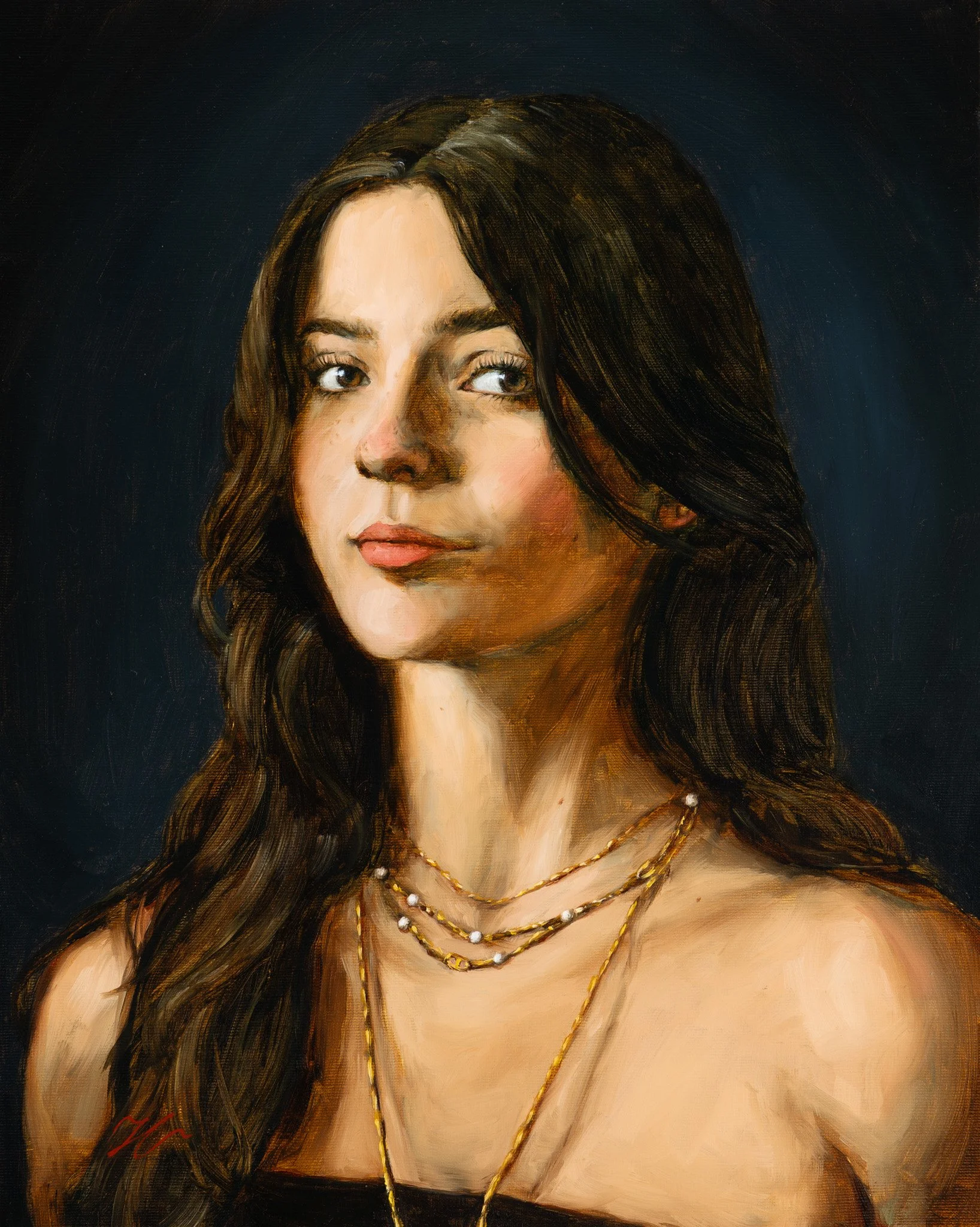
Sassy Against a Blue Background
A Portrait with Intention
In an age where nearly every moment is documented through photography, the decision to commission a portrait painting carries a different kind of intention.
A photograph captures an instant. A painting reflects something deeper — the presence, character, and quiet story of a life lived. It is made slowly, through observation and revision, by a hand that has spent years learning how light falls across a face, how to render the soft coat of a Boykin Spaniel, how to hold the stillness of a marsh at dusk without losing its life.
That difference is not merely aesthetic. It is the difference between a record and a legacy.
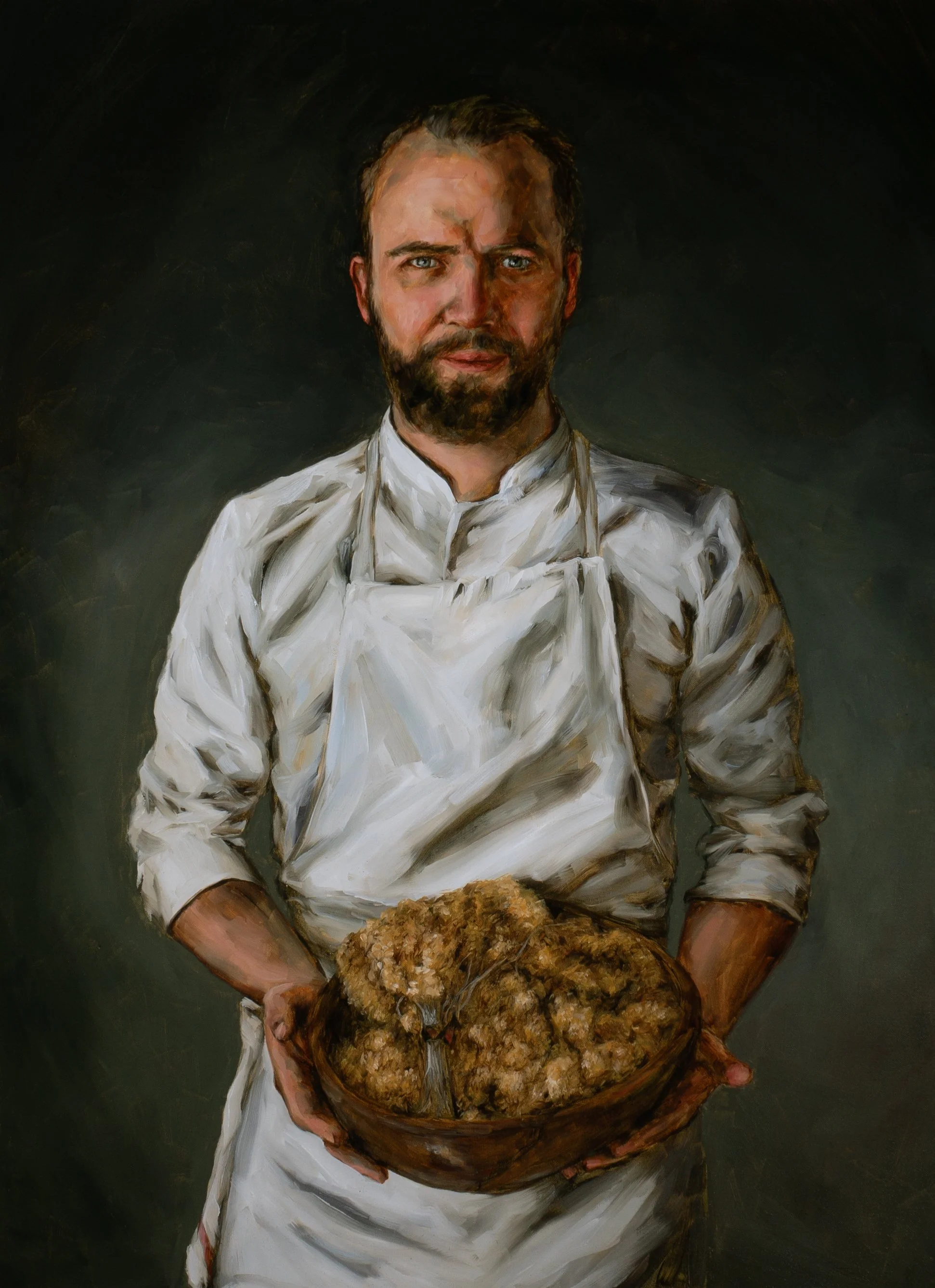
Michelin Chef Noel Berard Holding Immortels
The Place of Portrait Painting
Portrait painting has long held a place of honor within the cultural traditions of the American South. Long before photography existed, families, institutions, and collectors across the Lowcountry and the wider Southeast commissioned painted portraits as a way to preserve what mattered most — not just a face, but a presence. Not just a moment, but a name.
An oil portrait is shaped slowly. Through observation, revision, and the physical act of painting, the image evolves into something more considered than any photograph can offer. Light is interpreted rather than captured. Form is simplified and refined. The subject begins to take on a sense of permanence that photographic paper, however beautiful, rarely achieves.
In the context of Southern heritage painting, portraiture carries an additional layer of meaning. It reflects a culture where place, family, and tradition remain deeply intertwined — where the people and animals that shape a life are worth honoring with more than a shutter click.
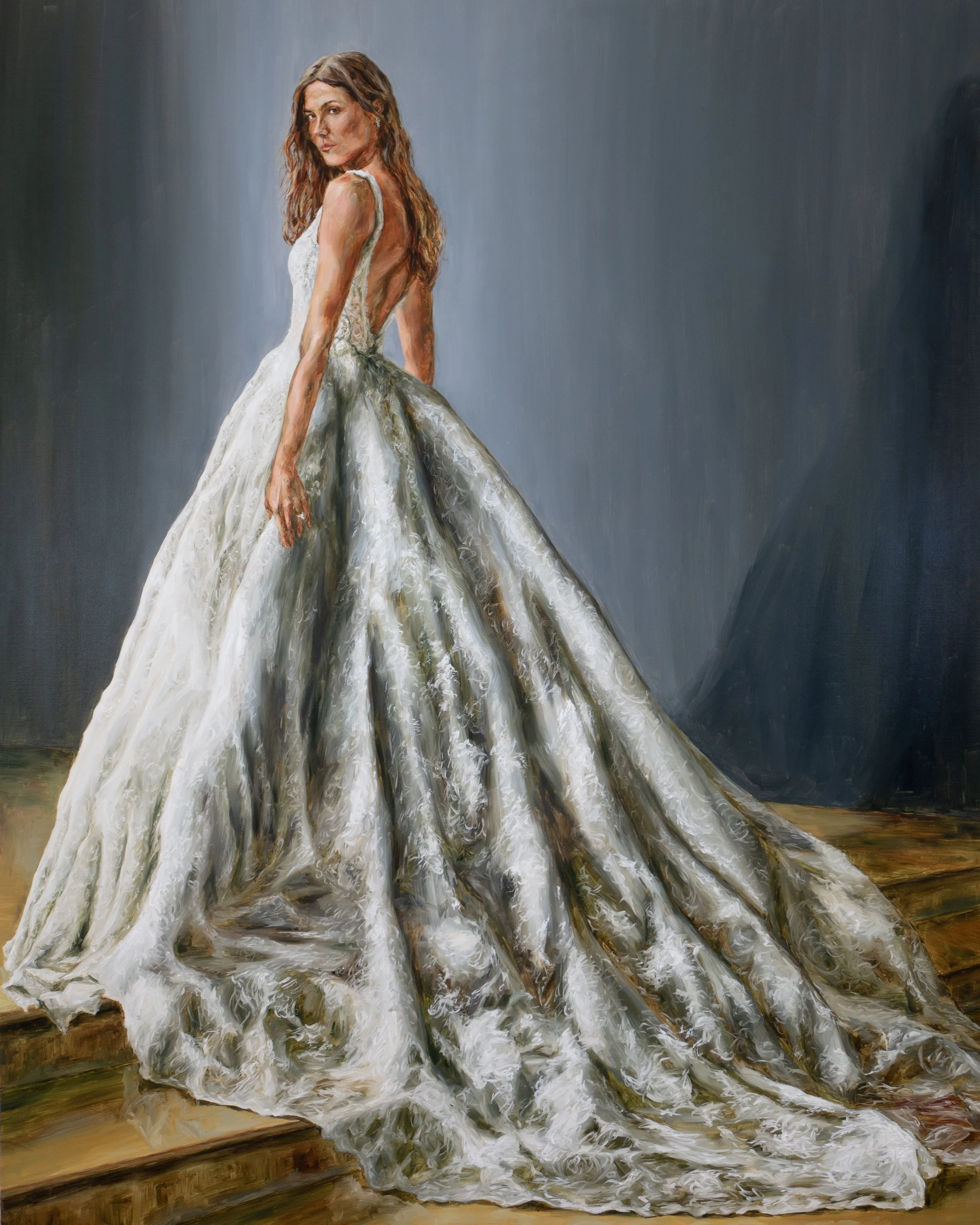
Monique L’Huillier Dress in Cascade
What a Painting Can Do That Photography Can’t
A photograph is faithful to the moment it was taken. A painting is faithful to something more enduring.
When I begin a portrait commission, I am not simply reproducing an image. I am making decisions — about light, about atmosphere, about which qualities of a subject deserve to be drawn forward and which details belong to the background. A portrait of a child painted in the Lowcountry light of a late-summer afternoon carries the warmth of that season within it. A portrait of a hunting dog — a Labrador at rest after a long morning in the field, or a pointer frozen mid-stride — holds not just likeness but character.
Photography flattens. Oil paint builds. Layer by layer, the painting develops depth, texture, and a kind of inner luminosity that photographs can only approximate.
This is why painted portraits have endured for centuries, and why collectors who have lived with one rarely stop at one.
Paintings Are For the Home
There is also a considerable difference in how a painting lives within a space. A photograph often belongs to a moment. A painting belongs to a home.
It becomes part of the architecture of a room. It gathers meaning as years pass — as children grow up beneath it, as guests pause to ask about it, as it moves from one generation to the next carrying the weight of what it represents. For many Southern families, a commissioned portrait becomes the most significant work of art they will ever own.
The subjects vary. It may be a child at a particular age — that brief window before they outgrow it. A couple at a moment in their lives they want to hold still. A matriarch or patriarch whose presence has shaped a family across decades. A beloved hunting dog whose loyalty deserves something more lasting than a photograph on a phone.
Each portrait becomes a record of that significance, interpreted through the artist's hand and carried forward through time.
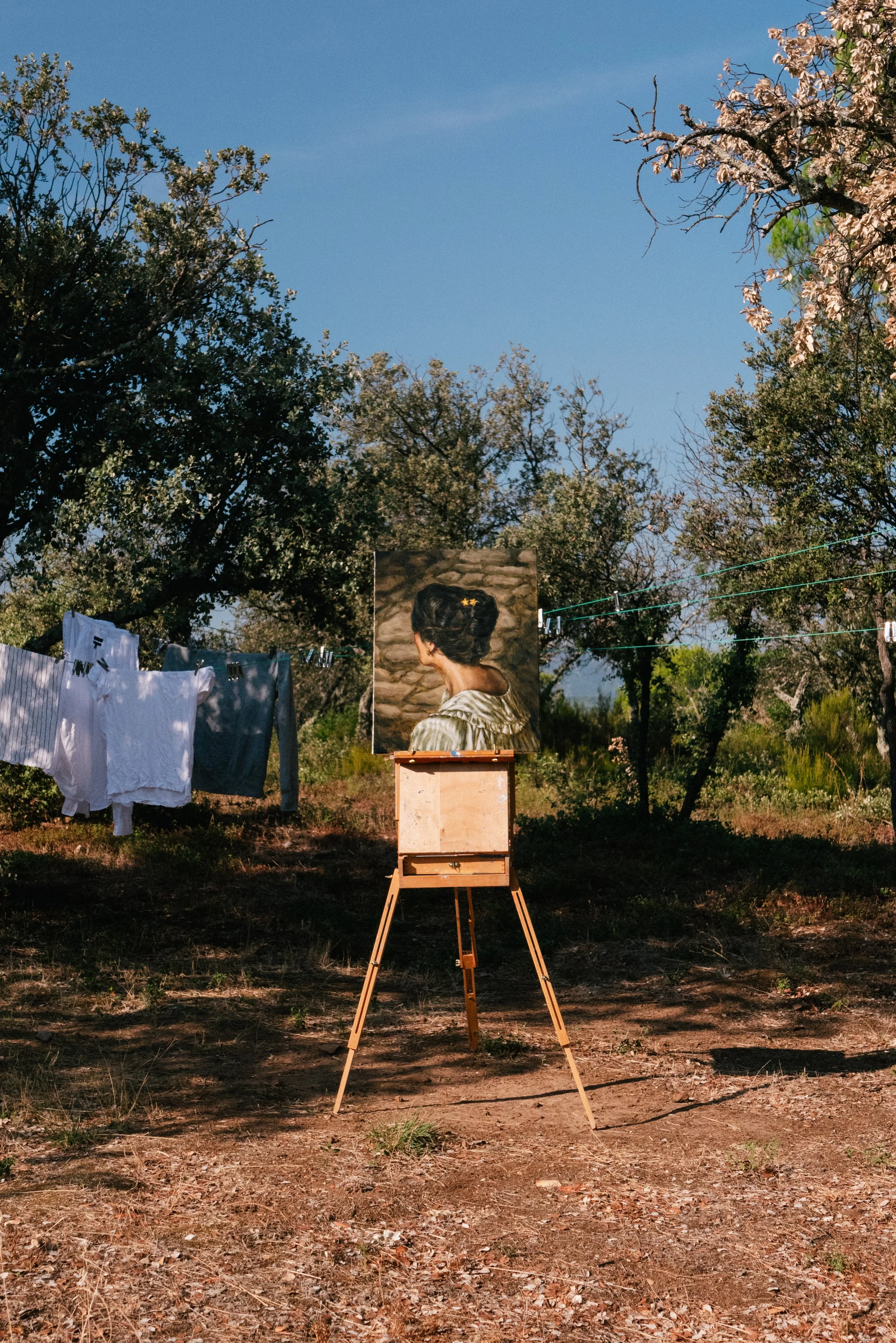
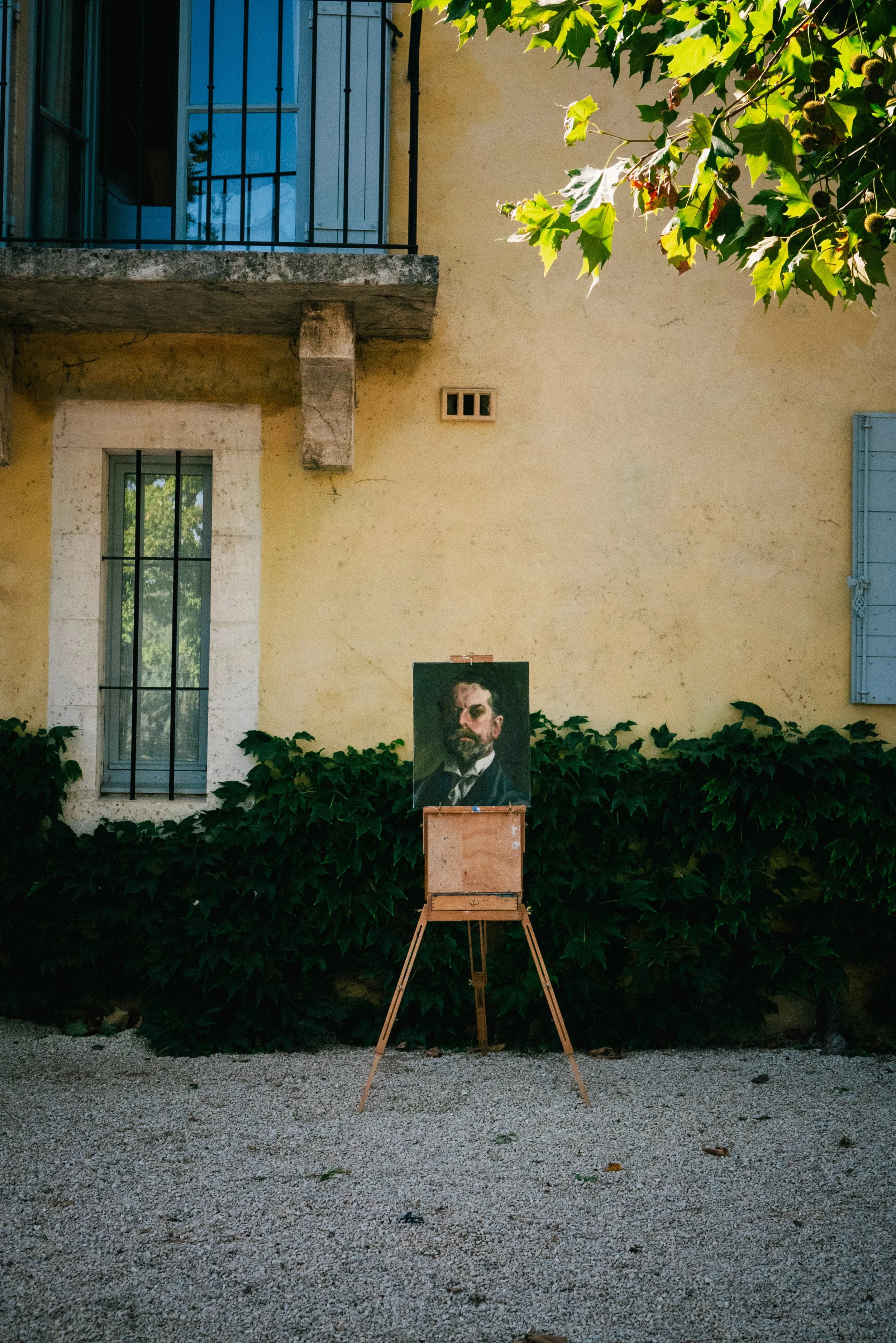
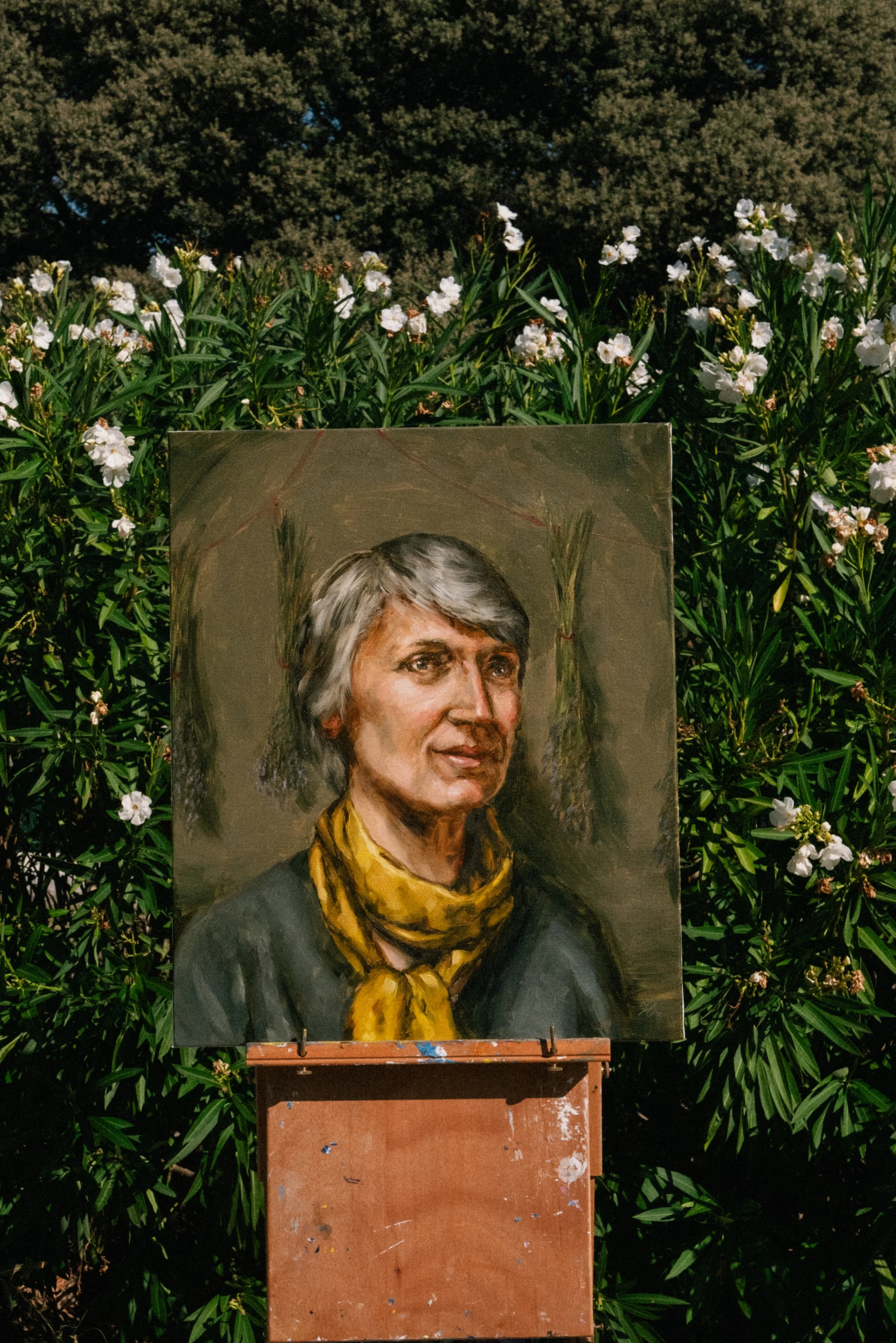
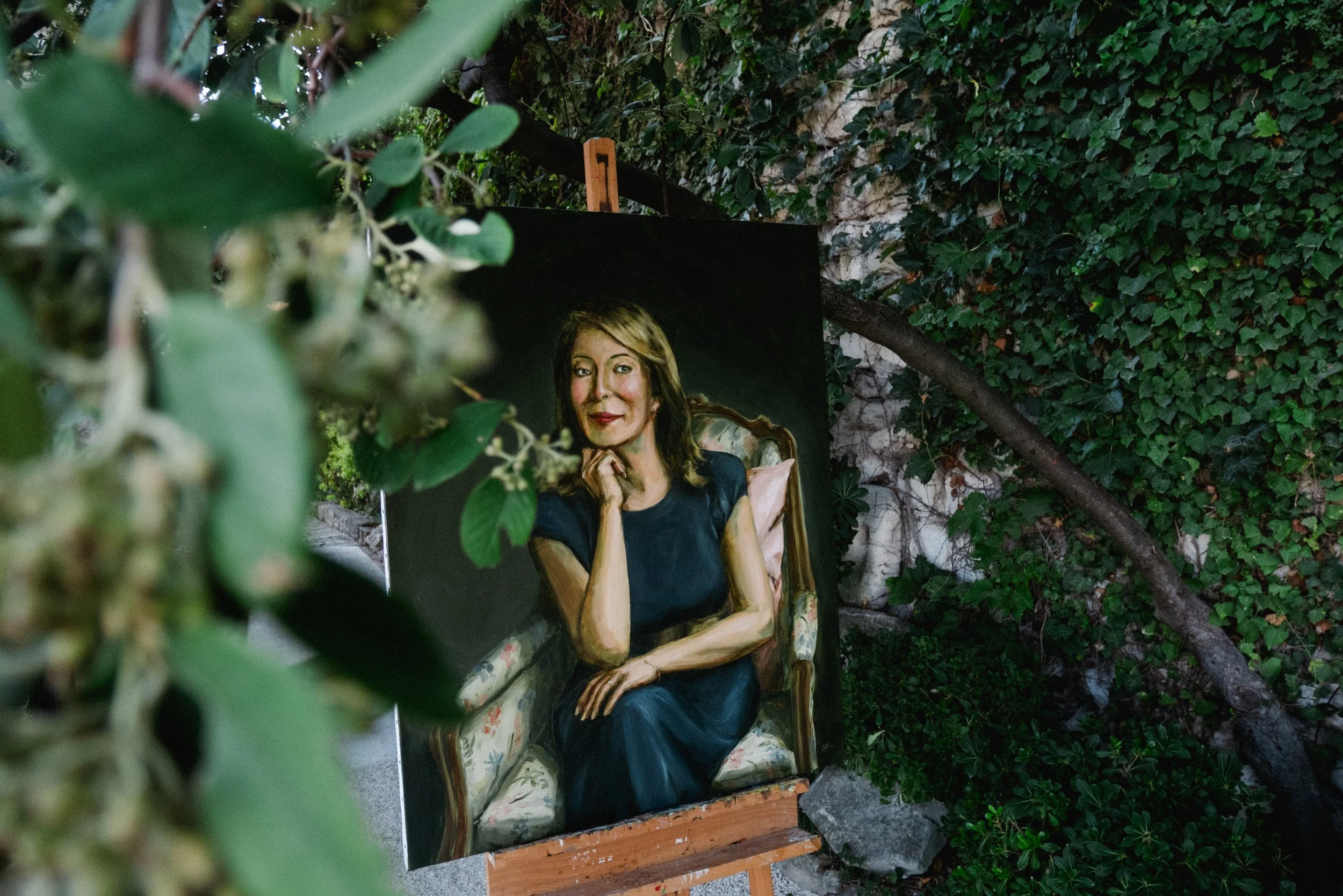
Portraiture & Tradition
Southern heritage portraiture has never been limited to people alone. The animals of the South — working dogs, horses, prized bird dogs, beloved companions — have always been part of the visual tradition of this region.
A Boykin Spaniel flushing birds at the edge of a Carolina marsh. A pointer on a quail hunt at dawn. A bay horse standing in the long shadow of a live oak. These are images that belong in oil, not in an album.
For families and collectors who live close to the land, a portrait of a hunting dog or sporting animal carries the same emotional weight as a portrait of a person. It honors a bond, a way of life, and a set of traditions that are distinctly, irreplaceably Southern.
My portrait commissions encompass individuals, couples, children, and animals — approached with the same classical technique and the same commitment to capturing presence over mere likeness.
Beginning a Portrait Commission
For those considering a portrait commission, the process begins with a conversation — about the subject, the setting, the light, and the story you want to tell. You can learn more about how that process unfolds in the portrait commission guide, or reach out directly to begin the conversation.
A painted portrait is not simply a purchase. It is a decision to honor someone — or something — with the full weight of a craft that has been practiced and refined for centuries. In the South, that tradition runs deep.
I would be glad to be part of yours.