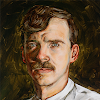
James in Beige
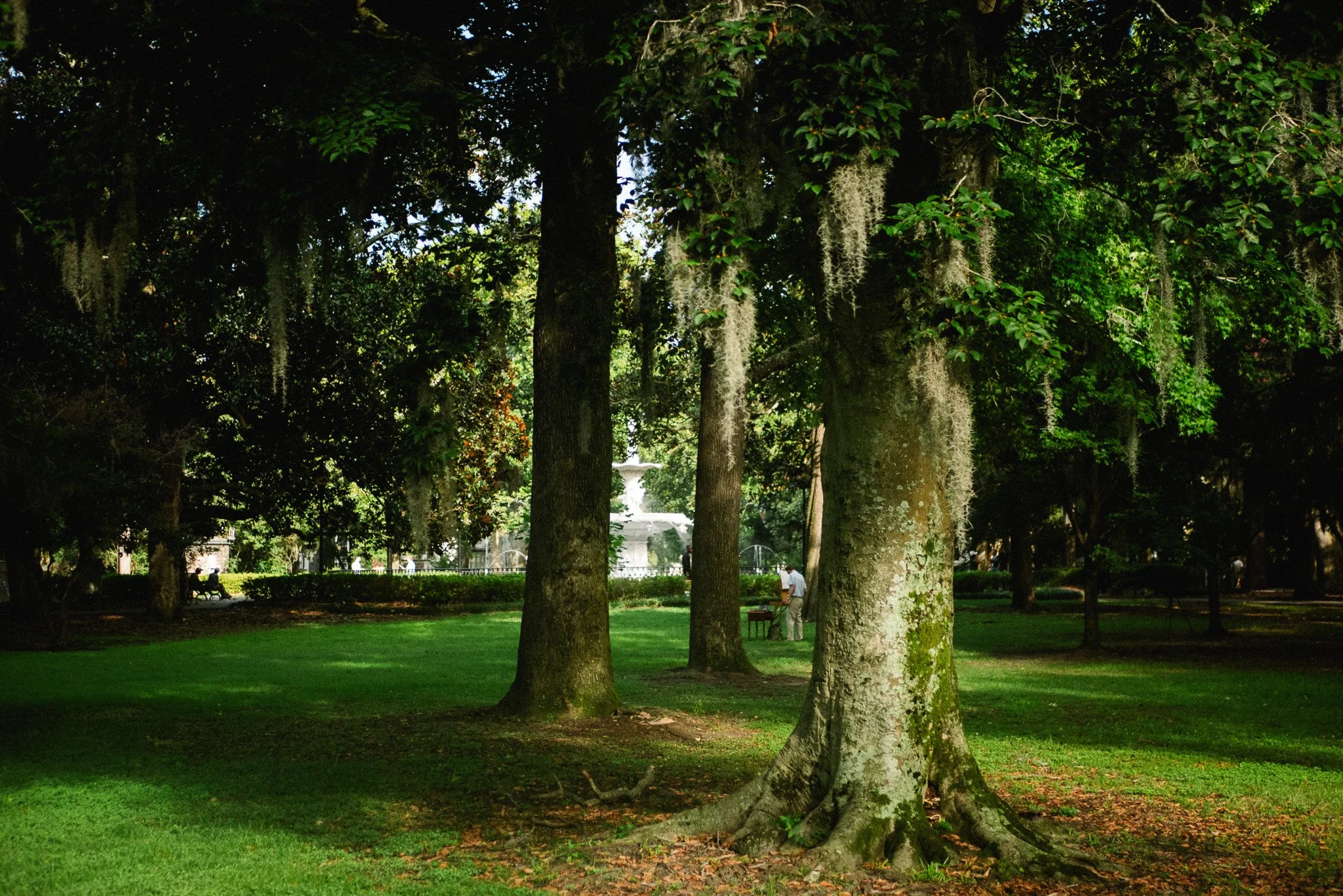
Looking Through the Trees | Forsyth Park, Savannah
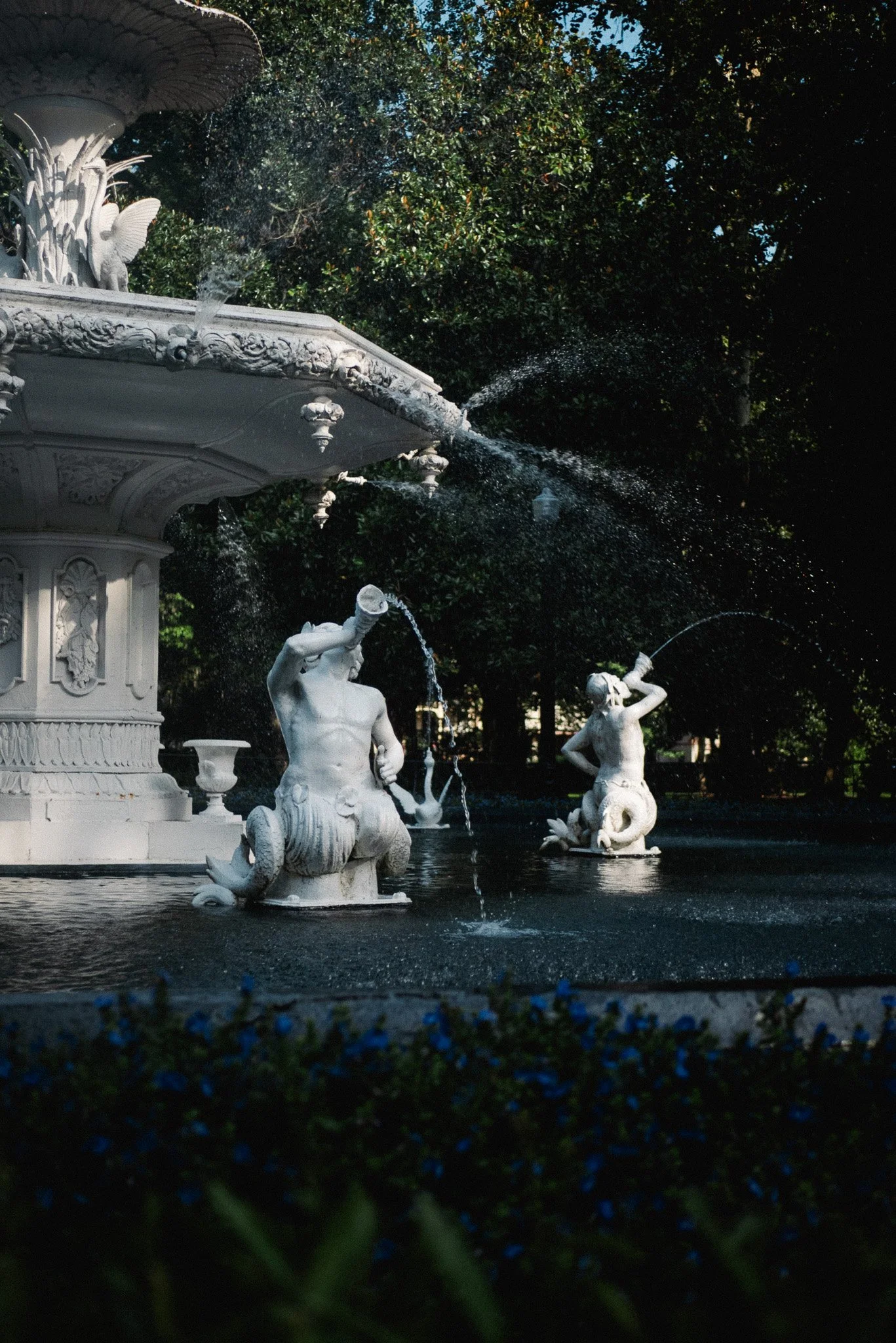
Forsyth Park offers a kind of light that feels particular to Savannah—soft, shifting, and filtered through the canopy of live oaks. In the early hours of the morning, the city begins to stir quietly. Conversations drift along walking paths, birds echo overhead, and the pace of the day unfolds slowly.
It is a rhythm well suited to painting.
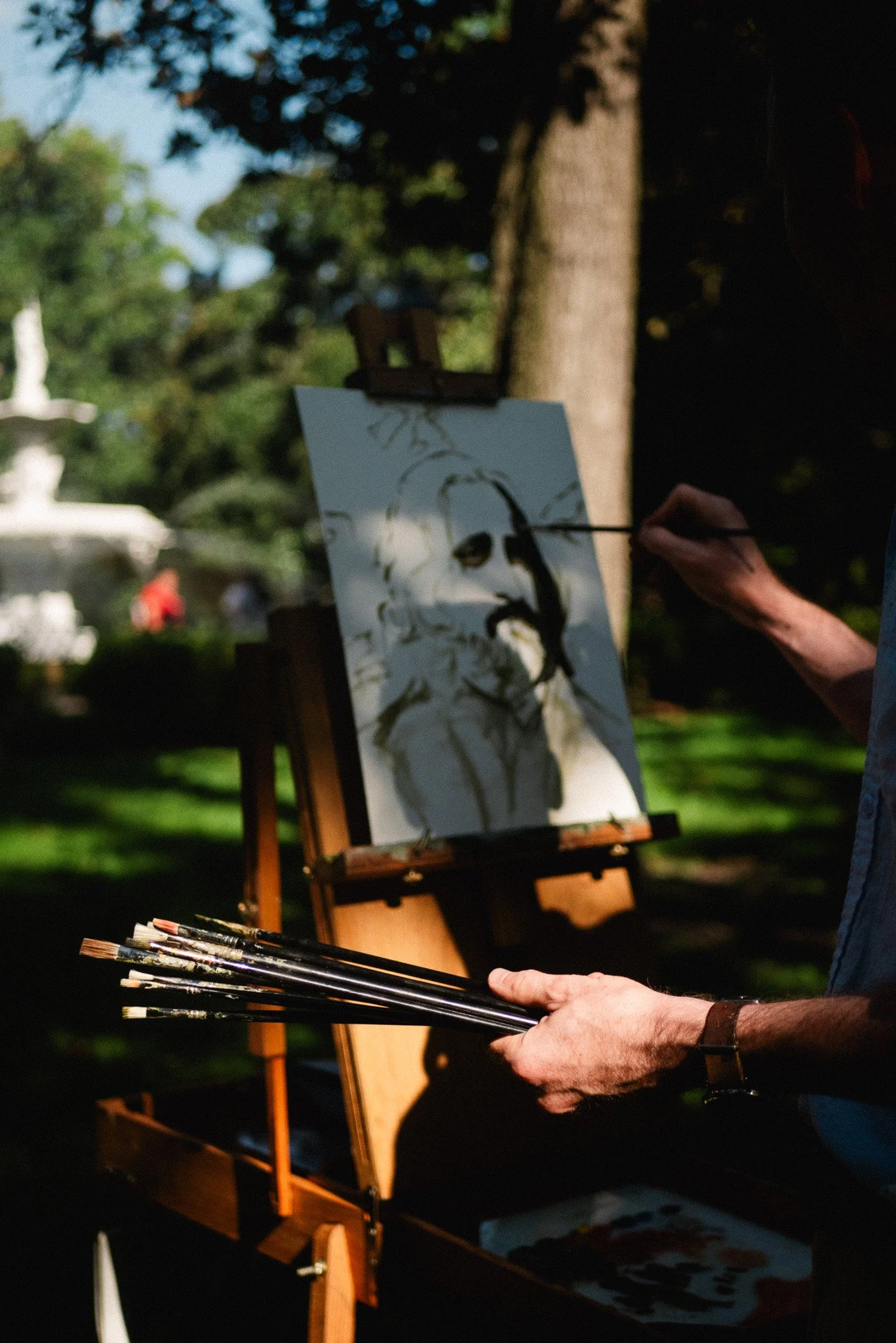
On this occasion, I set up a small plein air easel beneath the trees, drawn to the interplay of light and foliage. The intention was not simply to paint a likeness, but to create a portrait shaped by its environment—one rooted in the atmosphere of the park itself
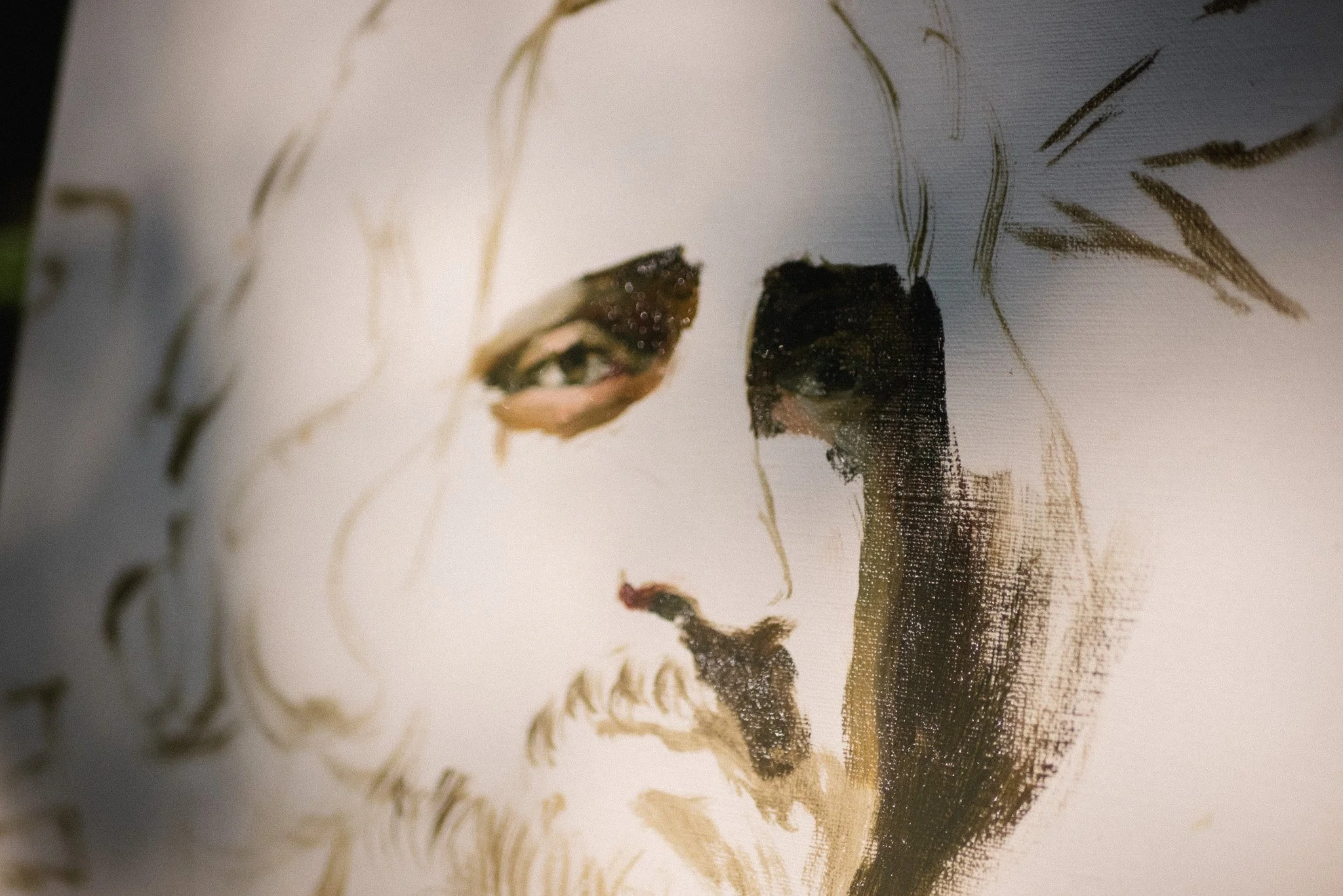
First Brushstrokes | Forsyth Park, Savannah
A Portrait Shaped by Place
The subject was a close friend, James, whom I had photographed during a recent visit to Savannah. His wild mane of hair and beard felt immediately connected to the landscape around us, echoing the movement of oak branches and the density of surrounding foliage.
There is often a temptation in portrait painting to refine or control these qualities, to tame what feels unruly. But more often than not, it is precisely those elements that give a painting its character. Rather than impose order, I leaned into it.
Loose, responsive brushwork allowed the portrait to develop alongside the environment. The background emerged as an extension of the scene itself, deep greens suggested with sweeping gestures, rather than carefully rendered detail.
It became less about describing leaves, and more about suggesting their presence.
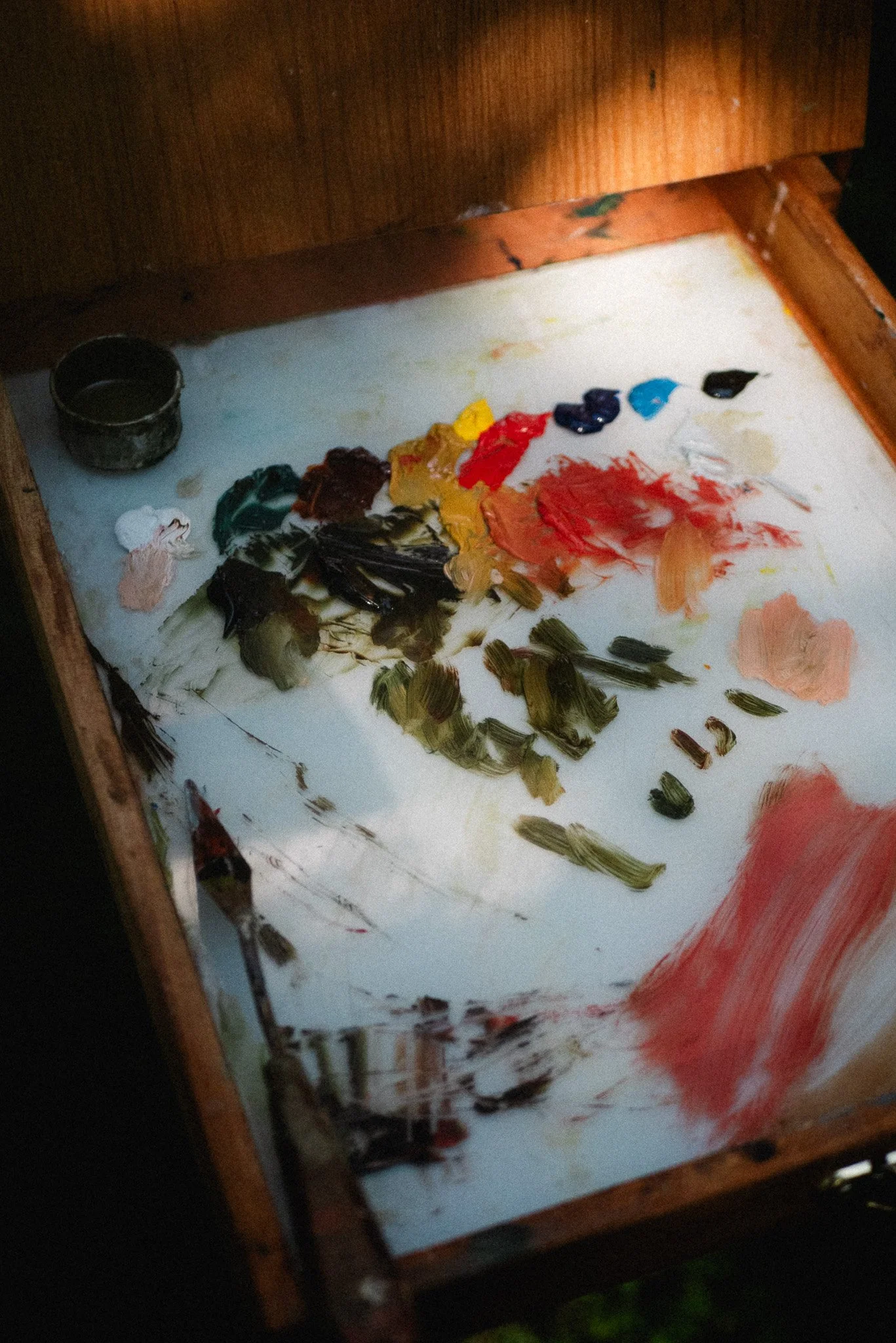
The Language of Brushwork
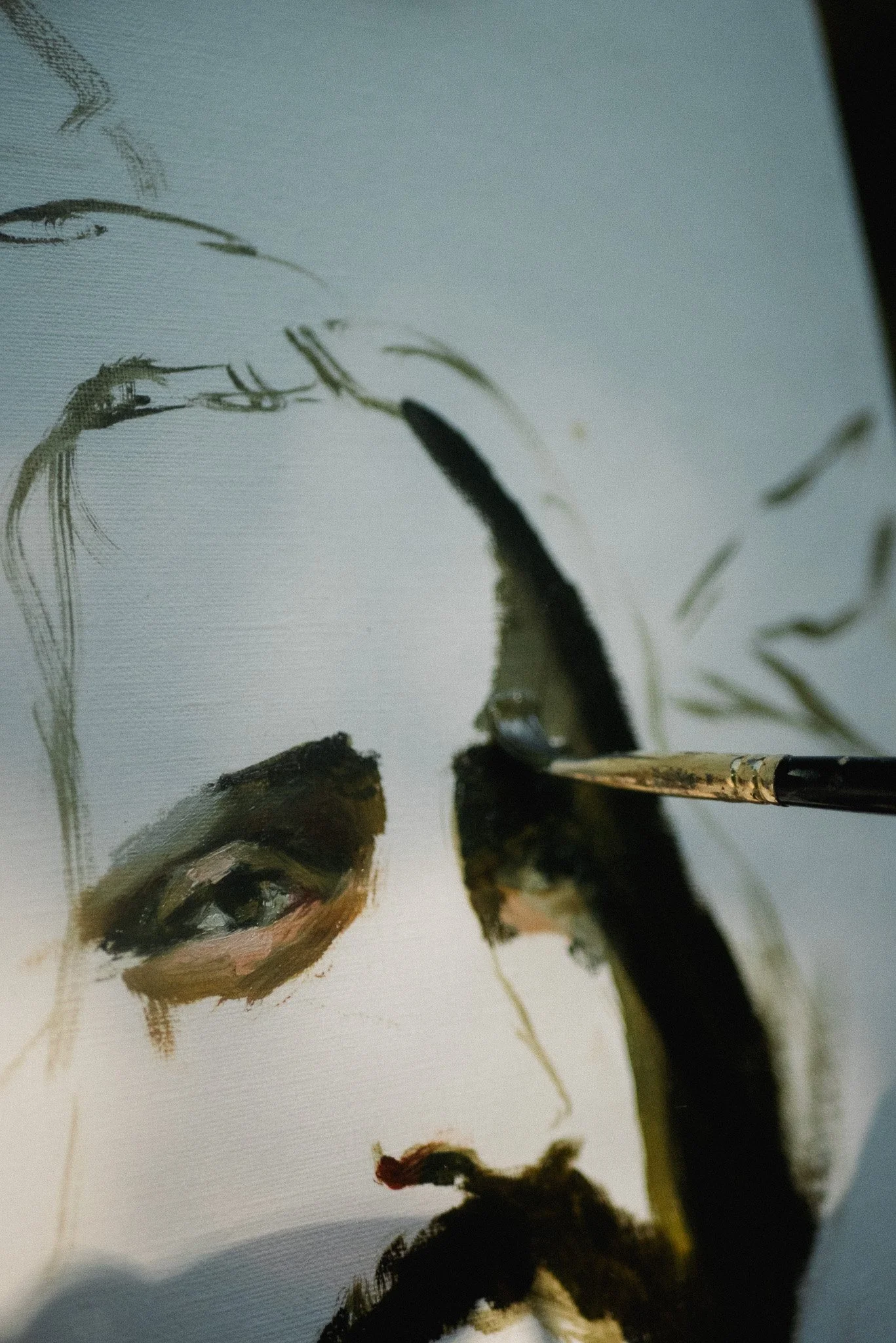
Working on a smaller scale offers a certain freedom. Studies and intimate portraits create space for experimentation, allowing brushwork to remain simultaneously visible and expressive.
In this painting, I used flowing strokes to emphasize the movement within James’s hair. Mixtures of raw umber and touches of French ultramarine introduced subtle cool variations within the shadows, giving structure without over-defining form. Often, it is these quiet shifts, small changes in temperature and tone, that allow a portrait to feel alive.
Looking up from the easel, I began to notice how the branches above seemed to press inward, almost as if the landscape itself were entering the painting. That observation guided the composition, allowing the foliage to envelop the figure through color and gesture.
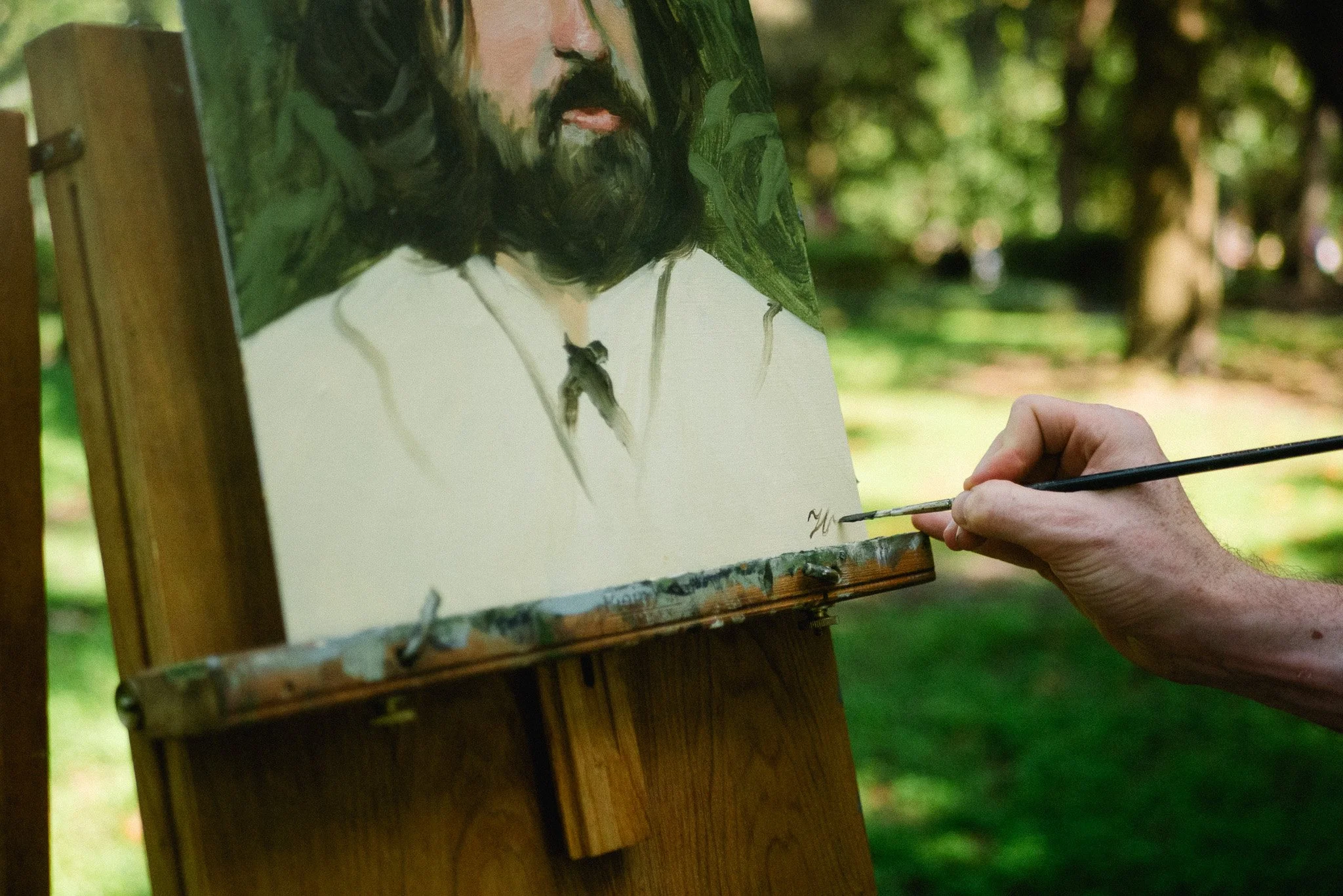
Signing the Finishing Touch
Structure and Restraint
In the later stages of the painting, I found myself thinking of John Singer Sargent’s A Bedouin Arab (1891). In that portrait, the figure is framed by a striking contrast: a flat, light garment set against a dark, atmospheric ground. That balance between movement and stillness felt essential here.
To counter the organic energy of the foliage and hair, I introduced a simplified beige coat. The lapel and tie were indicated with restrained, almost incidental marks, just enough to anchor the composition. This interplay between structure and movement allowed the portrait to settle into something more complete.
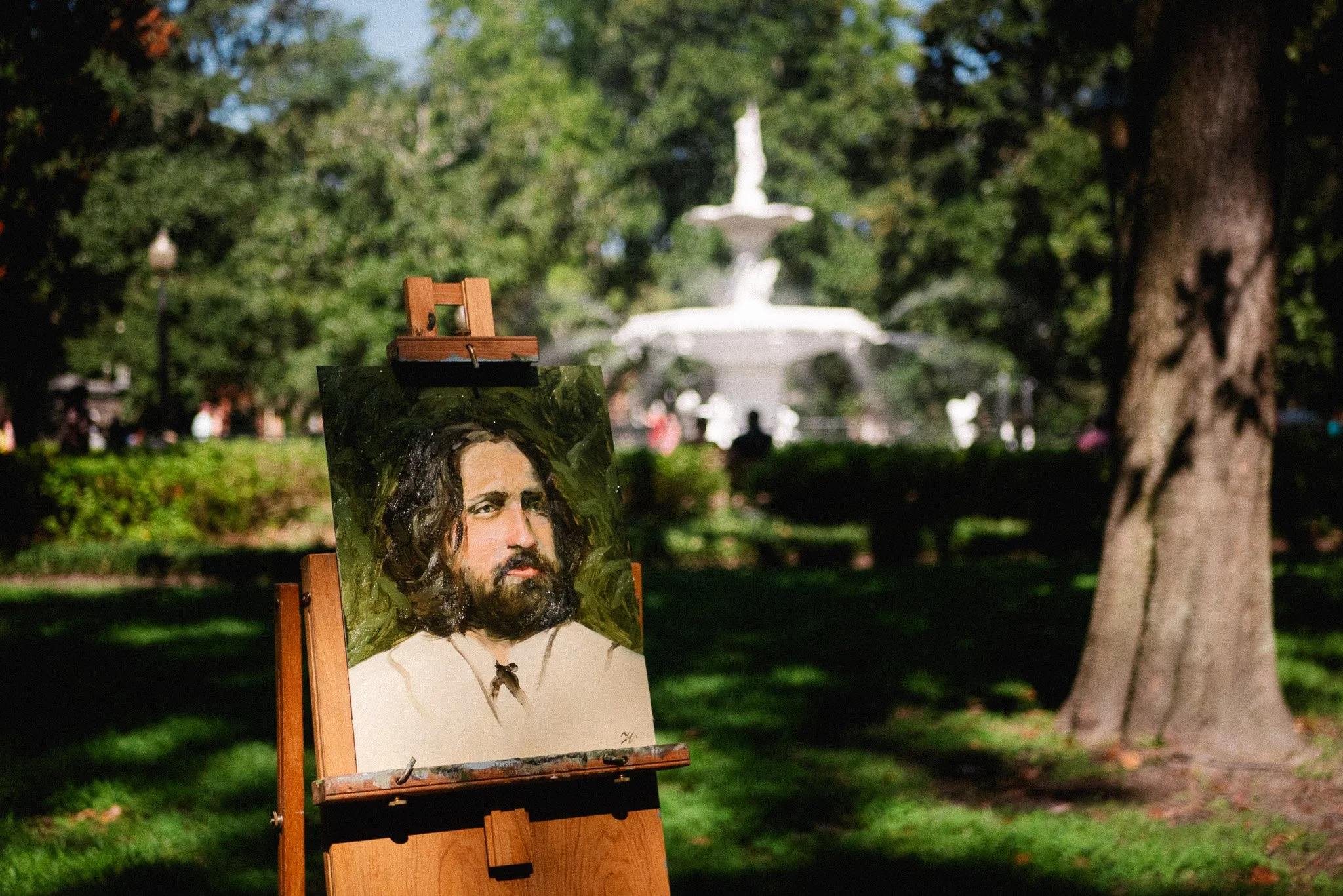
James in Beige | Forsyth Park, Savannah
A Southern Portrait Study
While this painting began as a study, it ultimately became something more resolved: a portrait shaped as much by place as by subject. It reflects a way of working that feels closely aligned with the tradition of Southern heritage painting, where portraiture and environment are often inseparable.
In this context, the portrait becomes more than an image of an individual. It becomes a reflection of a landscape, a moment, and a shared experience within the South.
This piece is part of a growing body of figurative work rooted in the landscapes and traditions of the American South. I look forward to continuing to explore these ideas, both through portrait commissions and more personal studies.
— Hampton
*For those interested in commissioning a portrait click here: Portrait Commissions